Free Shipping
For all orders over $50
New customers save 50% with code FREE50FIRST Discount Code
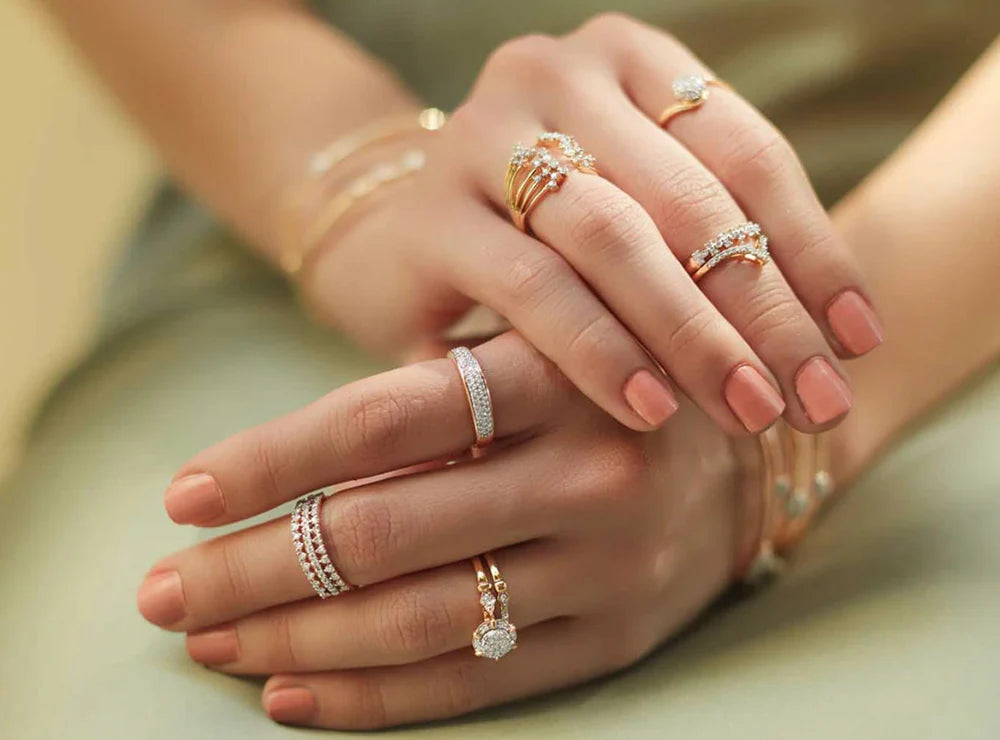


Jewelry has always carried meaning. Memory, identity, celebration. Lately, though, more people are pausing before buying and asking harder questions about where things come from. That pause is exactly where Sustainable Jewelry: What to Know begins. This isn’t a lecture or a checklist. It’s a slower look at why these questions matter and how people are navigating them in real life.
Sustainable jewelry doesn’t arrive with certainty. It settles in gradually. One question leads to another. A small choice replaces an old habit. Over time, buying jewelry becomes less automatic and more intentional, without needing to be perfect.
Not long ago, sustainable jewelry felt niche. Something you’d see in a design magazine or a small artisan market. Now it’s part of mainstream conversations, including engagement rings and everyday pieces. That shift didn’t come from trend cycles alone.
People have become more aware of how materials are sourced. Not dramatically. More like a quiet discomfort. Once you know that some supply chains involve environmental damage or unsafe labor, it’s hard to ignore. That awareness tends to linger and slowly reshape buying habits.

Sustainable jewelry doesn’t have a single, fixed definition. It’s an umbrella idea covering materials, labor practices, production methods, and even how long a piece is meant to last. Different brands emphasize different parts of that picture.
Some focus on recycled metals. Others prioritize lab-grown stones or low-impact mining. Some emphasize fair wages and small-batch production. Most fall somewhere in between. The shared goal is reducing harm rather than claiming perfection.
Ethical jewelry overlaps with sustainable jewelry, but the emphasis shifts toward people. Who mined the gold. Who cut the stones. Who assembled the piece. And under what conditions those steps happened.
An ethical approach centers fair wages, safe working environments, and responsible sourcing. It’s about dignity throughout the supply chain. Sometimes a piece can be ethical without being fully sustainable, or sustainable without covering every ethical concern. Progress often comes in layers.
Materials are usually where sustainable jewelry conversations start. Recycled gold and silver reduce the need for new mining, which is one of the most environmentally damaging parts of the industry. Mining can disrupt ecosystems and contaminate water sources. Reuse helps reduce that pressure.
Lab-grown diamonds are another shift. They’re chemically identical to mined diamonds but created in controlled environments. No open pits. No displacement of communities. For many buyers, that difference matters.
Alternative stones also play a role. Moissanite, sapphires, and reclaimed vintage gems offer beauty without following one narrow definition of tradition.
Jewelry rarely comes from one place. Metals, stones, and assembly often happen in different regions. That complexity can make responsibility easier to hide. Sustainable brands often simplify their process with smaller workshops, local production, and direct supplier relationships.
Energy use matters too. Some studios run on renewable energy or minimize waste through thoughtful design. These choices don’t show up in product photos, but they shape the real impact of a piece.

One of the most sustainable pieces of jewelry is the one you actually wear for years. Fast-fashion jewelry often breaks, tarnishes, or goes out of style quickly, creating waste regardless of price.
Sustainable jewelry often leans toward timeless design. Not boring. Just less tied to short trends. Longevity also includes repairability. Clasps can be fixed. Stones can be reset. Brands that offer repairs are thinking beyond the initial sale.
Sustainable and ethical jewelry often costs more. Fair wages and responsible sourcing aren’t cheap. That creates tension. Not everyone can afford fully sustainable pieces, and that reality matters.
Some people buy fewer pieces. Others choose vintage or secondhand. Some mix ethical purchases with what fits their budget. There’s no single correct approach. Guilt doesn’t help. Thoughtfulness does.
Vintage jewelry doesn’t require new mining or production, which makes it one of the simplest sustainable options. It also carries history. A past life. Slight imperfections. For many people, that adds meaning.
Ethical questions still apply, but overall, reusing what already exists is one of the most effective sustainability choices available.
| Aspect | Conventional Jewelry | Sustainable Jewelry |
|---|---|---|
| Materials | Newly mined | Recycled or responsible |
| Labor focus | Often unclear | Fair conditions |
| Longevity | Trend-driven | Designed to last |
This isn’t about good versus bad. It’s about awareness and direction.
What is sustainable jewelry?
Jewelry made with attention to environmental impact, ethical labor, and responsible sourcing.
Is ethical jewelry the same as sustainable jewelry?
They overlap, but ethical jewelry focuses more on labor and human rights.
Are lab-grown diamonds sustainable?
They are generally considered a lower-impact alternative to mined diamonds.
Does sustainable jewelry always cost more?
Often yes, but options like vintage can be more affordable.
There’s no finish line here. You notice. You adjust. You choose a little better than before. And then you keep going, piece by piece.
