Free Shipping
For all orders over $50
New customers save 50% with code FREE50FIRST Discount Code
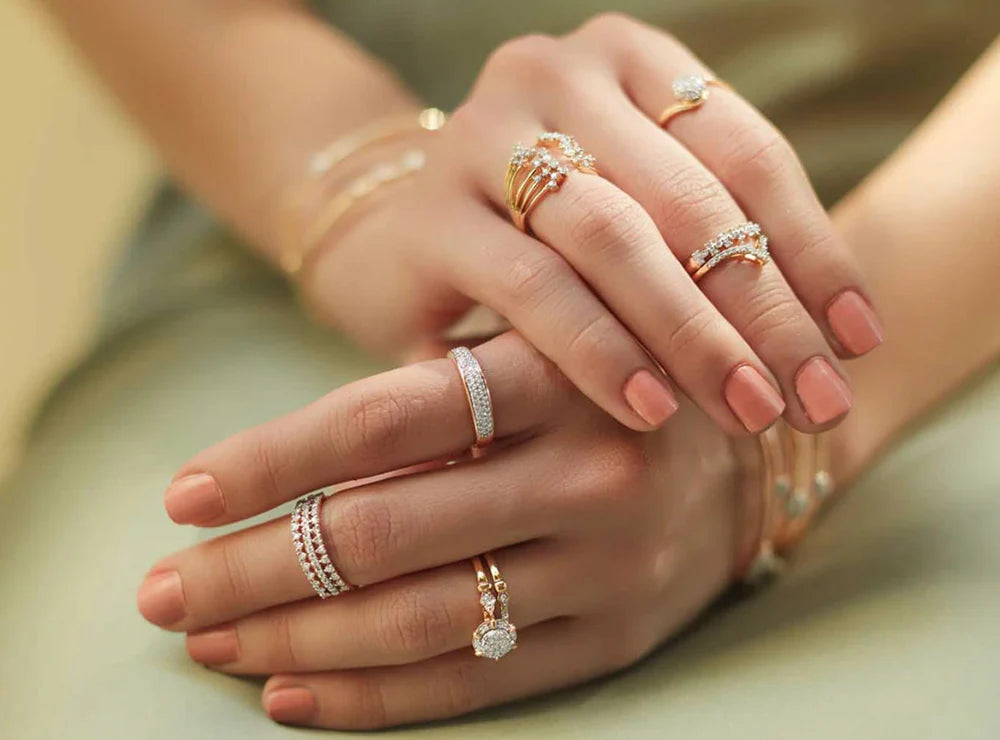


A jewellery box isn't some outdated accessory your grandmother passed down and forgot about. It's honestly one of the most underrated things you can own — whether you've got a massive collection or just a few favourite pieces. Let's talk about why they still matter, how to pick the right one, and a few things most people get wrong.
What exactly is a jewellery box? It's a storage container — sometimes lined with velvet or soft fabric — designed specifically to organise and protect rings, necklaces, earrings, bracelets, and watches. Some are simple. Some are ridiculously fancy.
Is buying one actually worth it? Short answer — yes. If you own even three or four pieces of jewellery, tossing them into a drawer or a random dish on the counter is a fast way to lose things or damage them.
How does a jewellery box keep your pieces safe? Most decent ones have separate compartments, soft linings, and secure closures. That stops tangling, scratching, and tarnishing — especially for silver.
Sounds silly to explain how a box "works," right? But there's more to it than you'd think. Good ones have a few layers. The top layer usually holds rings and earrings in small, cushioned slots. Below that, you'll find wider compartments for bracelets and chunkier necklaces. Some even have hidden drawers at the bottom — which honestly feels a bit luxurious, even if it's a $40 box.
The lining matters more than most people realise. Cheap satin or polyester linings can actually scratch softer stones and metals over time. Anti-tarnish fabric is the gold standard here, especially if you're storing sterling silver. You won't see tarnishing nearly as fast. That alone saves you from having to polish your pieces every other week. The closure mechanism is another thing worth thinking about. Magnetic closures are popular now, but they can interfere with watches or anything with delicate mechanisms. A simple latch or clasp is usually safer. It's small stuff like that which separates a proper jewellery organiser from a decorative dust collector sitting on your dresser doing nothing useful.

First off — you stop losing things. That's the biggest one. How many times have you torn apart a bedside drawer looking for a specific earring? Happens to everyone. Having a dedicated spot for each piece means you know exactly where everything is. No more panic before a dinner out.
Then there's the protection side. Gold-plated pieces lose their finish faster when they rub against other metals. Gemstones chip if they knock into each other. Chains tangle into knots that take twenty minutes to undo. All of that goes away when each item has its own little home. And look, there's an aesthetic benefit too. A nice leather or wooden jewellery case sitting on a vanity or shelf just looks good. It pulls a space together. Interior stylists in Australia have been recommending them as functional decor for years — something that serves a real purpose but also adds warmth and personality to a bedroom or walk-in wardrobe. It doesn't need to be expensive. It just needs to suit the room.
Not all of them are created equal, and what works for one person might be completely wrong for another. Here's a quick breakdown of the most common types and what they're best suited for.
| Type | Best For | Material | Price Range (AUD) |
|---|---|---|---|
| Classic hinged box | Everyday storage at home | Wood, leather, faux leather | $30 – $150 |
| Travel jewellery case | Trips and weekends away | Compact leather or fabric | $20 – $80 |
| Jewellery armoire | Large collections | Wood with mirror and drawers | $100 – $500+ |
| Stackable trays | Customisable storage | Velvet-lined trays | $25 – $100 |
| Wall-mounted cabinet | Space-saving display | Wood or acrylic with mirror | $50 – $200 |
If you travel a lot between Sydney and Melbourne for work, a compact travel case is non-negotiable. But if most of your collection lives at home and you've got the space, an armoire or a set of stackable trays gives you way more flexibility. Honestly, some people end up owning two — one at home and one for travel. That's not overkill. That's just being practical about it.
Here's where things get interesting. Because even people who own a jewellery box sometimes use it wrong. The most common mistake? Overcrowding. You buy a gorgeous box, and then you stuff everything in until it barely closes. Pieces rub together, chains tangle, and the whole point of having organised storage disappears.
Another big one — storing jewellery in the bathroom. Steam and humidity speed up tarnishing and can damage pearls and certain gemstones. Your bedroom or wardrobe is a much better spot. Temperature fluctuations in bathrooms are rough on delicate metals and stones. Some people also forget to clean the box itself. Fabric linings collect dust and skin oils over time. Every few months, give it a gentle wipe or vacuum the compartments with a small attachment. Sounds excessive maybe. But it keeps things fresh and actually extends the life of both the box and your jewellery. And one more thing — don't store perfume-sprayed jewellery inside. The chemicals in fragrances react with metals and coatings. Always let perfume dry completely before putting pieces back.
This comes up a lot, and the answer really depends on your lifestyle. Pouches are lightweight, portable, and great for travel. But they offer almost zero structure. Necklaces tangle inside pouches constantly. There's no separation for different pieces unless the pouch has individual pockets, and most cheap ones don't.
A jewellery box gives you compartments, cushioning, and a rigid structure that protects against pressure and impact. If someone sits on your suitcase — and let's be honest, we've all done that to zip it shut — your rings and earrings are a lot safer inside a hard case than a soft pouch. For home use, there's really no competition. A box wins every time. For travel, a structured compact case is the sweet spot between the two. You get the portability of a pouch with the protection of a box. Best of both, really.
Think about what you actually own. If you're heavy on rings and earrings, look for something with lots of small compartments and ring rolls. If necklaces are your thing, you need hooks or long compartments that prevent tangling. Watch collectors should look for cushioned watch pillows — those flat trays won't cut it for heavier timepieces.
Material matters too. Wooden boxes with a lacquer finish look stunning and last for ages, but they're heavier. Leather and faux leather options are lighter and still look sharp. For something more affordable, fabric-covered boxes work perfectly fine for everyday use. Just make sure the hinges feel solid when you open and close it. Flimsy hinges are the first thing to break, and once they go, the whole box is basically useless. Spend a little more upfront for something sturdy. You'll thank yourself in two years when it still works perfectly.
So yeah. A jewellery box is one of those things that seems small but makes a surprisingly big difference in how you care for your pieces and how your space looks. Don't overthink it too much. Just find one that fits what you own, suits your room, and feels good to open every morning.
What is the best material for a jewellery box? Wood and genuine leather are generally considered the most durable options. Wood boxes with anti-tarnish linings are particularly good for silver jewellery, while leather adds a more modern, sleek look. Either way, make sure the interior fabric is soft enough to prevent scratching.
How do I stop my jewellery from tarnishing inside a box? Use a jewellery box with an anti-tarnish lining. You can also toss in a small silica gel packet or anti-tarnish strip to absorb moisture. Keeping the box in a cool, dry place away from bathrooms helps a lot too.
Can I store watches in a jewellery box? Absolutely, but look for one with dedicated watch compartments or cushioned pillows. Regular flat compartments can scratch watch faces or damage straps. If you've got automatic watches, a separate watch winder might be worth considering alongside your main box.
How often should I clean my jewellery box? Every two to three months is a solid routine. Wipe down hard surfaces with a damp cloth and gently vacuum or brush the fabric lining to remove dust and oils. This keeps the interior fresh and prevents buildup that could affect your pieces.
What size jewellery box do I need? It depends entirely on your collection. If you own fewer than 20 pieces, a medium-sized hinged box is plenty. Larger collections — especially those with statement necklaces or multiple watches — benefit from an armoire or stackable tray system that gives room to grow.
