Free Shipping
For all orders over $50
New customers save 50% with code FREE50FIRST Discount Code
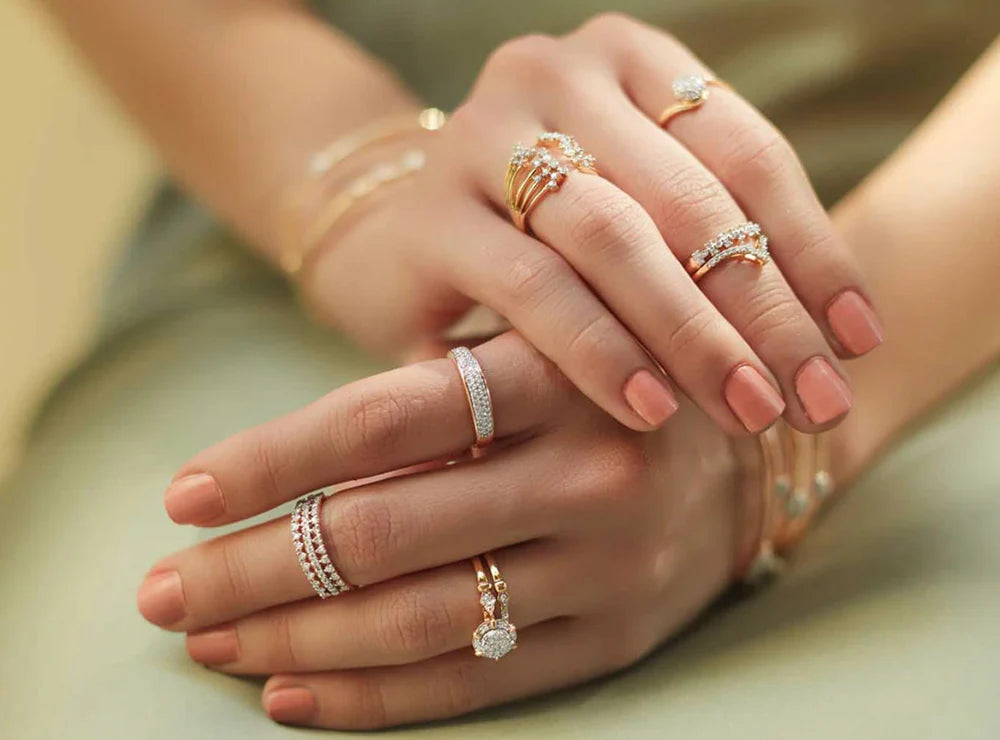


Picking out jewelry should be fun, but honestly, it usually starts with a minor headache standing in front of a glass case. You’re looking at two rings that look completely different, yet the jeweler tells you they’re technically made of the same base metal. When it comes down to the big White Gold vs Yellow Gold debate, it’s less about which one is "better" in a vacuum and more about which one actually fits your skin, your daily messiness, and your wallet.
White gold is essentially yellow gold mixed with white metals like palladium or nickel and then dipped in rhodium to give it 그 mirror-like shine. Yellow gold is the "natural" look, mixed with copper and zinc to keep it sturdy but still looking like treasure.
Usually, they are priced similarly because their gold content (the karats) is the same. However, white gold can cost more over time because you have to pay to get it "re-dipped" in rhodium every few years to keep it from looking dull or yellowish.
Yellow gold is easier to polish at home, but white gold is technically more scratch-resistant because of that hard rhodium outer layer. Both will last forever if you don’t lose them, obviously.
Pure gold is surprisingly soft—like, you could almost dent it with your fingernail soft. That’s why we don't use 24k gold for engagement rings or anything you plan on wearing while doing the dishes. To make it wearable, we mix it with other stuff.
In a silver jewelry comparison, yellow gold keeps that warm, classic glow because it uses alloys that don't fight the natural yellow tint, mostly copper and a bit of silver. It’s the metal of history; it feels old-school in a way that’s currently very trendy again. If you’re the type who likes vintage finds or that "royal" aesthetic, gold jewelry is the default. It’s also the most hypoallergenic option if you go for higher karats, since it usually lacks the nickel that causes itchy ears. When deciding gold vs silver: which to choose, consider how well it fits into your everyday jewelry care routines to keep it looking pristine.
White gold is a bit of a chameleon. To get that silvery, chrome-like finish, jewelers take that same yellow gold and alloy it with silvery-white metals. But even then, it’s not truly "white"—it’s more of a pale champagne color. To get that crisp, bright look, it gets a bath in rhodium. This is where the maintenance talk comes in. Rhodium wears off. Depending on how much you sweat or how often you use hand sanitizer, that white gold ring might start showing its "true colors" (a yellowish tint) in a year or two. It’s not broken, it just needs a trip back to the jeweler for a refresh. Yellow gold, meanwhile, just gets a bit dull, but a quick buffing usually brings it right back to life without needing a chemical bath.

You’ve probably heard people talk about "cool" or "warm" skin tones. It sounds like influencer babble, but it actually makes a huge difference in how the metal looks against your hand. If your veins look blue and you burn easily, you likely have cool undertones, and white gold is going to look incredible on you. It pops. On the other hand, if you have olive skin or tan easily, yellow gold provides this gorgeous, sun-kissed warmth that white metals just can’t replicate. Then there are the "neutral" folks who can wear whatever they want, which honestly feels like cheating. If you’re buying a gift and aren't sure, look at their watch or the frames of their glasses—people usually pick a "side" and stick to it.
If you’re someone who works with your hands or spends a lot of time at the gym, durability matters more than the "vibe." White gold is generally a bit stronger because the metals mixed into it (like nickel or palladium) are tougher than the copper used in yellow gold. Plus, that rhodium plating acts like a thin suit of armor against scratches. Yellow gold is a bit softer and shows scuffs more easily, though some people actually like the "patina" of worn yellow gold. It looks lived-in. But if you hate the idea of your ring getting tiny scratches from just grabbing a door handle, white gold might save you some stress. Just remember you'll be paying that "maintenance tax" every few years to keep it shiny.
People get really caught up in which gold is "worth" more. The truth is, 14k white gold and 14k yellow gold have the exact same amount of pure gold in them. If you took them to a refinery, they’d pay you the same for the gold content. However, in the vintage market, yellow gold tends to hold its "style" value more consistently. White gold goes through phases where it’s the only thing people want (like the early 2000s) and then it dips. Right now, yellow gold is having a massive resurgence. But honestly, unless you're buying bullion, you shouldn't pick your wedding band based on resale. Pick the one you won't get tired of looking at while you're drinking your morning coffee ten years from now.
| Feature | White Gold | Yellow Gold |
| Color | Silvery/Chrome | Warm/Yellow |
| Maintenance | Needs rhodium dipping | Occasional polishing |
| Durability | Higher (harder alloys) | Medium (softer alloys) |
| Best Skin Tone | Cool / Fair | Warm / Olive |
| Hypoallergenic | May contain nickel | Usually safer (in high karats) |
For a long time, white gold was the "modern" choice. It felt sleek, techy, and looked great with high-grade diamonds because it didn't "leak" any yellow color into the stone. If you have a diamond that has a slightly lower color grade (like a J or K), putting it in yellow gold is actually a smart hack because the metal makes the stone look whiter by comparison. Lately, though, there’s a big shift toward "organic" and "boho" styles, which almost exclusively use yellow gold. It feels more artisanal. It doesn't have that "sterile" feel that white gold can sometimes have. It’s all about whether you want your jewelry to stand out as a sharp accessory or blend in as a warm part of your look.
It doesn't "turn" yellow so much as the white plating wears away, revealing the natural pale-yellow gold underneath. A quick re-plating at the jeweler fixes it completely.
White gold is great for colorless diamonds because it enhances their "ice" look. Yellow gold is better for slightly tinted diamonds or if you want a high-contrast, vintage look.
Absolutely. Mixing metals is actually very "in" right now. A white gold engagement ring with a yellow gold wedding band can look intentional and very chic if you pull it off right.
18k has more pure gold, so it's a richer color, but it's also softer. For a ring you wear every day, 14k is often the "sweet spot" for durability.
Only if you have an allergy. If your skin turns green or gets itchy from cheap earrings, look for "nickel-free" white gold or stick to high-karat yellow gold.
It’s likely just a buildup of oils, lotion, and soap. A soft toothbrush and some mild dish soap usually bring the shine back without needing a pro.
There’s no "better," but white gold is currently more popular in North America for engagements, while yellow gold is catching up fast.
At the end of the day, just go with your gut. If you put on a yellow gold ring and it feels like "you," don't worry about the trends or the skin tone charts. Jewelry is personal. You’re the one wearing it, so pick the one that makes you happy when you look down at your hands.
